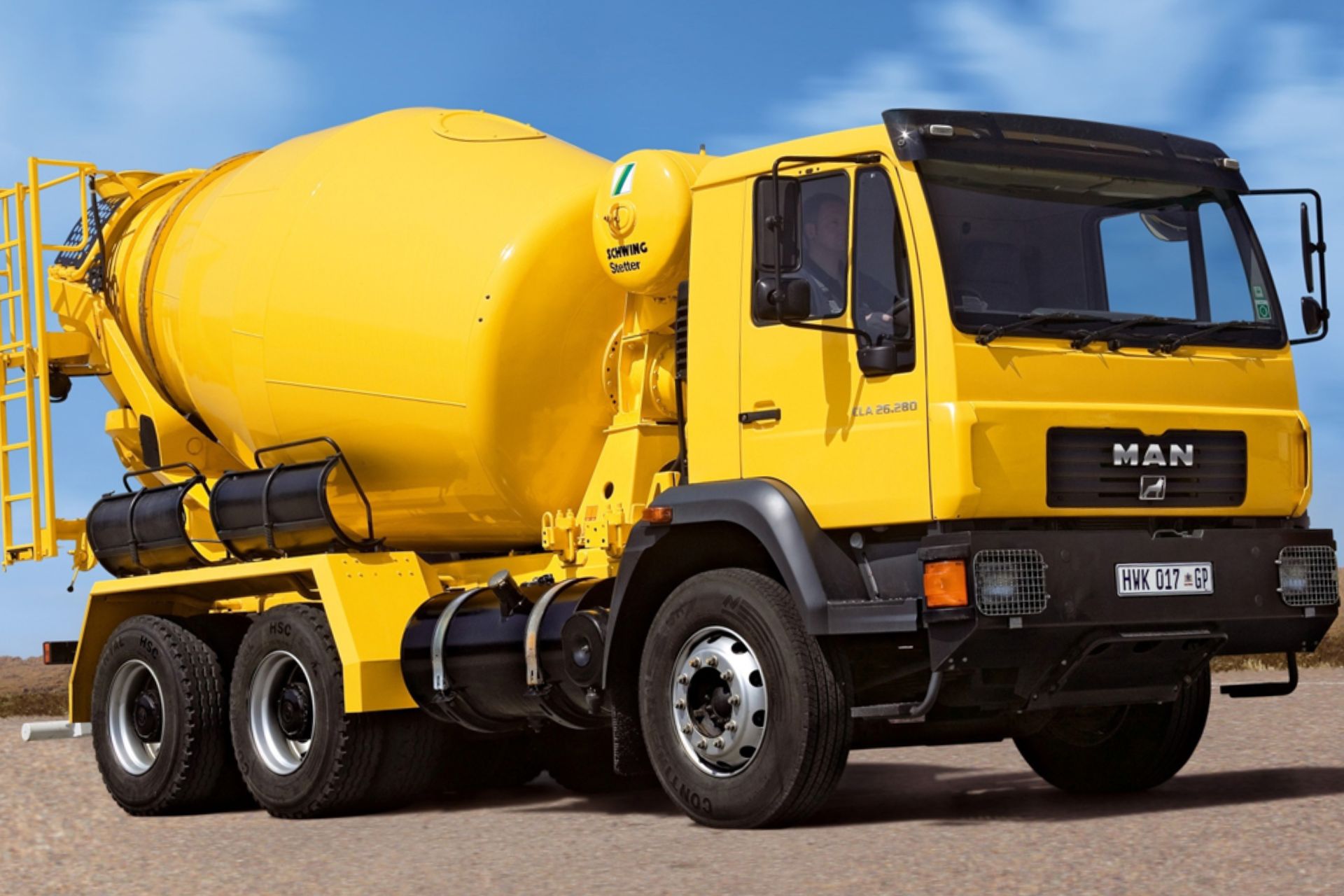
If you’ve ever been stuck behind a construction vehicle, you might have wondered: why are cement mixer trucks always turning? The sight of that large rotating drum is iconic on city streets and highways. But this motion isn’t just for show — it’s essential for keeping concrete usable. The continuous turning ensures that the cement mixture remains uniform, prevents hardening, and maintains the right consistency until it reaches the job site.
Understanding How a Cement Mixer Truck Works
To answer why are cement mixer trucks always turning, we need to understand how they work. A cement mixer truck has a large drum mounted on the back that rotates around its axis. Inside the drum are spiral blades designed to mix and lift the materials — cement, sand, gravel, and water — as the drum turns.
This rotation keeps the concrete in motion, ensuring that it stays in a liquid, workable state. If the drum stops turning, the concrete will start to set within minutes, making it unusable and leading to significant waste.
The Science Behind Continuous Rotation
Concrete is a mixture that undergoes a chemical reaction called hydration once water is added to cement. This reaction causes the cement to harden. The reason cement mixer trucks are always turning is to slow down this reaction by keeping the mixture in constant motion. The blades inside the drum continuously fold and mix the materials, distributing moisture evenly and preventing premature setting.
Without this movement, concrete would harden inside the drum, creating an expensive and time-consuming problem — the mixer would have to be cleaned out using heavy equipment or even replaced in severe cases.
Why Rotation Direction Matters
When learning why are cement mixer trucks always turning, it’s important to note that the direction of rotation plays a key role.
- Clockwise rotation: Mixes and keeps the concrete in motion during transport.
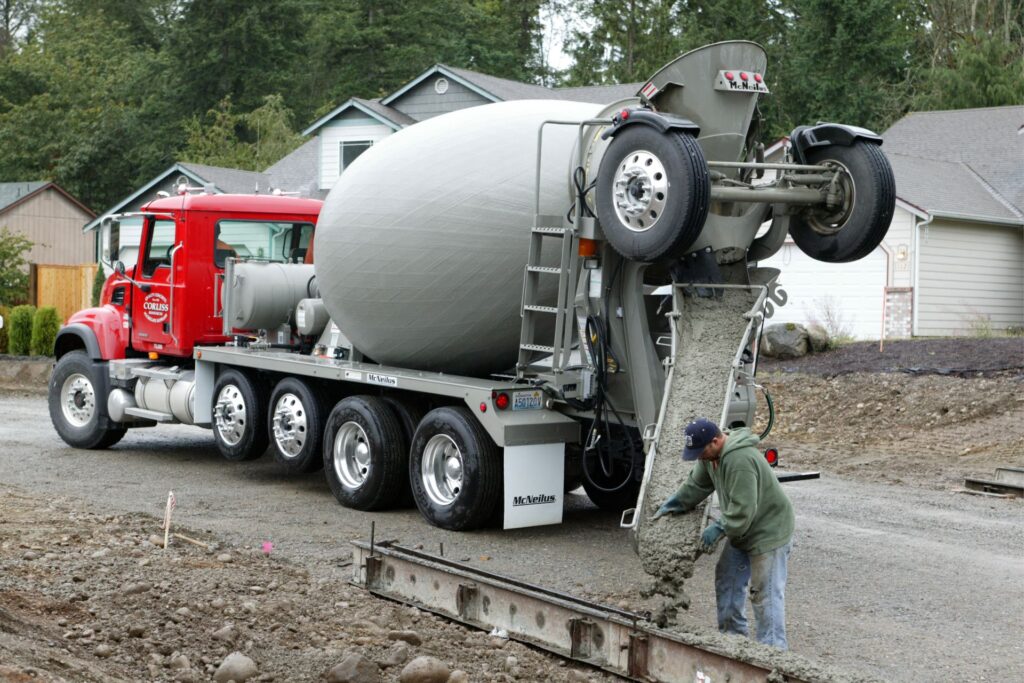
- Counterclockwise rotation: Discharges or unloads the concrete at the construction site.
This reversible mechanism allows drivers to control when the concrete is mixed and when it’s released, ensuring optimal timing and quality control during delivery.
The Importance of Speed Control
Cement mixer trucks don’t just spin randomly — their rotation speed is carefully controlled. Typically, the drum turns slowly while traveling, around 2–6 rotations per minute. When the truck arrives at the job site and begins discharging, the rotation speed increases slightly to push the concrete out smoothly.
If the drum rotates too fast during transport, it can cause the mixture to separate. If it rotates too slowly, the mixture may start to set prematurely. So, understanding and maintaining the right speed is a critical part of why cement mixer trucks are always turning.
Preventing Separation and Hardening
Another reason cement mixer trucks are always turning is to prevent the separation of materials. Concrete is made up of particles with different densities — sand and gravel are heavier than water and cement paste. Without motion, the heavier materials would settle at the bottom while the lighter ones would rise to the top, leading to uneven texture and poor quality.
Constant rotation keeps all components evenly distributed, ensuring consistent strength and durability of the final product.
What Happens If the Mixer Stops Turning?
If a cement mixer stops turning for too long, the concrete inside begins to harden. This can lead to several problems:
- Blockage: The concrete solidifies inside the drum, making it nearly impossible to remove.
- Equipment damage: Hardened concrete can damage the blades and drum surface.
- Wasted material: Once set, the batch cannot be used, leading to financial loss.
That’s why drivers are trained to keep the drum turning throughout transport and even during short stops at red lights or traffic jams.
Environmental and Practical Benefits of Constant Turning
While the main reason cement mixer trucks are always turning is to maintain concrete quality, it also offers environmental and operational benefits:
- Reduced waste: Constant mixing ensures that each batch arrives ready for use, minimizing discarded concrete.
- Efficient delivery: The turning drum allows the truck to travel longer distances without losing quality.
- Energy savings: Modern mixers are designed to optimize rotation energy, reducing fuel consumption and emissions.
These advantages make the turning drum an essential feature of every ready-mix concrete delivery system.
How Drivers Manage the Mixing Process
Operators play a crucial role in managing how the cement mixer turns. Using in-cab controls, drivers can adjust the drum’s rotation speed and direction depending on traffic, distance, and delivery schedule. They must balance between keeping the mix fresh and preventing overmixing, which can reduce workability. Proper training ensures the concrete maintains ideal consistency from plant to pour site.
Conclusion
So, why are cement mixer trucks always turning? The answer lies in maintaining the concrete’s quality, preventing hardening, and ensuring the mixture remains uniform and workable until it reaches the construction site. The continuous rotation keeps the chemical balance in check, avoids separation, and delivers ready-to-use concrete every time. Next time you see a mixer truck on the road, you’ll know that its constant turning is what keeps our buildings, roads, and bridges standing strong.