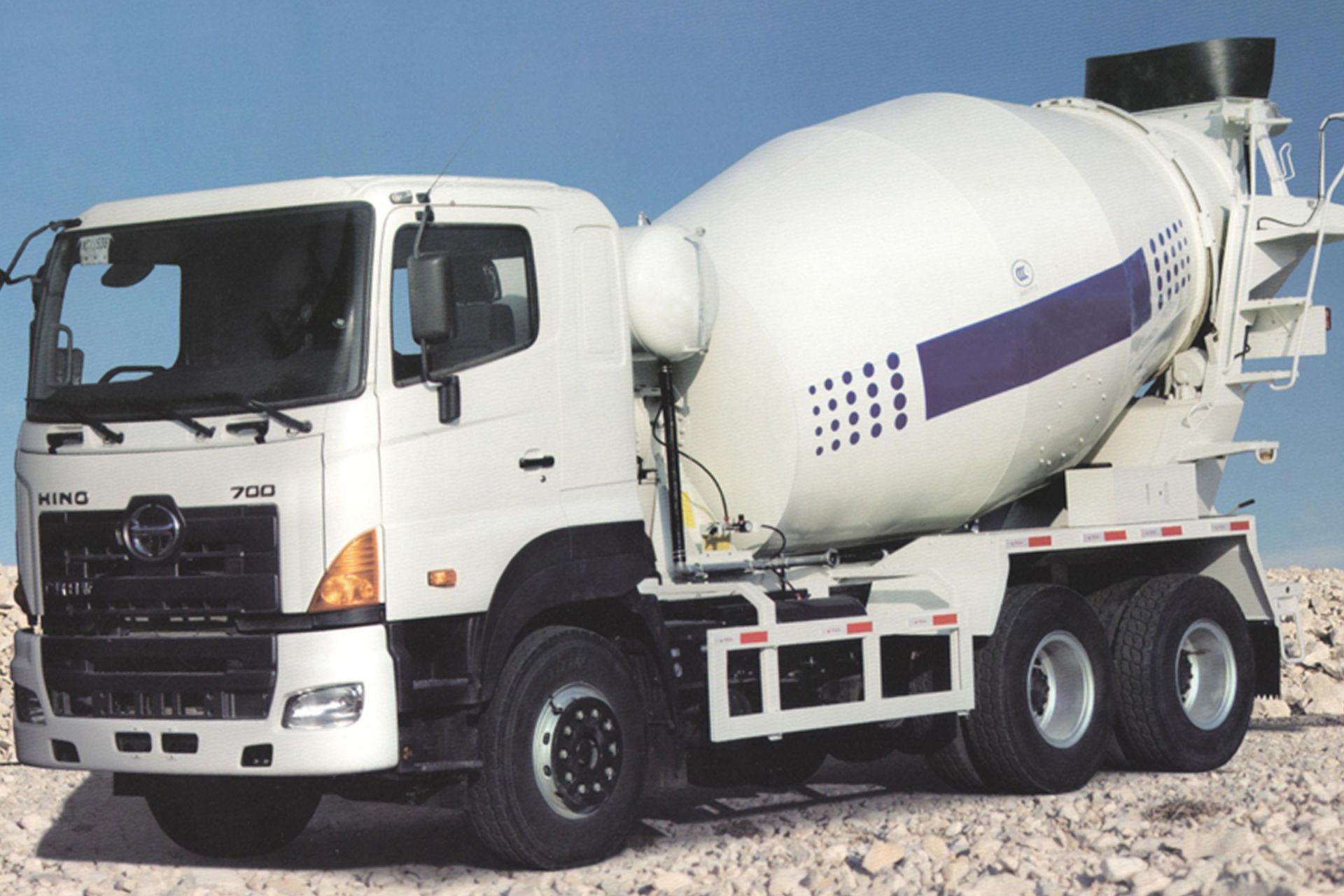
Have you ever wondered what materials are used to build a cement mixer truck? These massive, rotating vehicles are engineering marvels designed to handle extreme loads, vibrations, and harsh working environments. Every component—from the mixer drum to the chassis—is built using specific materials that ensure strength, stability, and longevity. Understanding these materials helps explain how cement mixer trucks withstand daily wear and tear while delivering tons of concrete efficiently.

The Core Structure of a Cement Mixer Truck
To answer what materials are used to build a cement mixer truck, it’s essential to understand its structure. A typical mixer truck consists of:
- Chassis and frame (the foundation)
- Mixer drum (the rotating container)
- Transmission and hydraulic system (for mixing and rotation)
- Cab and controls (the driver’s operating area)
- Auxiliary components (like hoppers, chutes, and ladders)
Each part serves a unique function and requires materials with distinct mechanical properties such as high tensile strength, corrosion resistance, and low maintenance needs.
Steel: The Backbone of the Mixer Truck
When exploring what materials are used to build a cement mixer truck, steel is the first and most important. High-strength steel forms the truck’s chassis, frame, and structural supports, providing the rigidity required to carry heavy concrete loads over rough terrain.
The drum shell—the large rotating cylinder—is also made of abrasion-resistant steel, usually grades like Hardox 450 or AR200, which can endure continuous contact with rough aggregates and cement slurry. This steel resists cracking, denting, and wear even under constant rotation and vibration.
Steel’s advantages include:
- Exceptional strength-to-weight ratio.
- Durability in high-impact environments.
- Resistance to deformation under heavy loads.
Some manufacturers now use lightweight alloy steel to reduce fuel consumption while maintaining durability.
Aluminum: Lightweight and Corrosion-Resistant
While steel dominates, aluminum plays a supporting role when considering what materials are used to build a cement mixer truck. Aluminum is commonly used in non-structural components such as:
- Cab panels and steps.
- Fuel tanks.
- Ladders and protective guards.
Aluminum’s lightness helps reduce overall vehicle weight, improving fuel efficiency and load capacity. Additionally, it naturally resists rust and corrosion, making it ideal for exterior fittings exposed to rain, concrete dust, and chemicals.
High-Density Polyethylene (HDPE) and Composites
Modern cement mixer trucks increasingly use polymer materials like HDPE and composite fiberglass in areas where corrosion or chemical attack is a concern.
For instance:
- Water tanks are often made from HDPE because it’s lightweight, non-corrosive, and easy to clean.
- Fenders and chutes may use reinforced fiberglass composites to balance strength and flexibility.
- Some manufacturers experiment with carbon-fiber reinforced plastics to reduce weight while maintaining high stiffness.
These materials also help lower maintenance costs and extend the vehicle’s lifespan.
Rubber and Elastomers for Sealing and Vibration Control
Another key element in what materials are used to build a cement mixer truck involves rubber-based components. Rubber is essential for:
- Sealing gaskets in hydraulic systems.
- Vibration dampers that absorb shocks from rough roads.
- Hoses and tubing carrying hydraulic fluid or water.
Rubber materials prevent leaks, protect moving parts from contamination, and enhance driver comfort by minimizing vibration transfer.
Hydraulic Components and Alloys
Hydraulic systems control the drum’s rotation, ensuring that the concrete remains uniformly mixed during transport. The hydraulic pumps, motors, and pipes are made from high-grade stainless steel or aluminum alloys to handle high pressure and resist corrosion.
These alloys are crucial because they must maintain performance under heat, friction, and continuous load cycles. Stainless steel, in particular, provides the perfect mix of mechanical strength and chemical resistance—ideal for hydraulic circuits exposed to water and cement dust.
Glass and Interior Materials in the Cab
When discussing what materials are used to build a cement mixer truck, the cab deserves attention too. The windshield and windows are made from laminated safety glass, designed to prevent shattering upon impact.
Inside the cab, manufacturers use:
- Vinyl and polyurethane foam for seats and interior panels.
- Thermoplastic dashboards that resist cracking and fading.
- Insulating materials to reduce noise and heat.
These materials improve operator safety, comfort, and visibility—important for long hours on construction sites.
Protective Coatings and Paint
Although paint might seem purely aesthetic, it’s also part of what materials are used to build a cement mixer truck. The exterior steel components are coated with epoxy primers, polyurethane paints, or powder coatings to prevent rust and abrasion.
Some trucks even use galvanized coatings for extra corrosion resistance, especially in humid or coastal areas. A durable finish not only extends the truck’s life but also helps maintain brand visibility and resale value.
Advances in Sustainable Materials
In recent years, manufacturers have focused on eco-friendly materials when designing cement mixer trucks. For example:
- Recycled steel and aluminum are now used in frames and drums.
- Water-based paints reduce emissions during production.
- Biodegradable hydraulic fluids replace traditional petroleum-based oils.
These innovations demonstrate a growing commitment to sustainability without compromising durability or strength.
Why Material Selection Matters
Understanding what materials are used to build a cement mixer truck reveals why material selection is so critical. Using the wrong material could result in premature wear, structural failure, or inefficient performance. The right combination—steel for strength, aluminum for weight reduction, and composites for corrosion resistance—ensures a long-lasting, efficient, and safe mixer truck.
In addition, selecting high-quality materials minimizes downtime, lowers repair costs, and supports environmental sustainability in the construction industry.
Conclusion
To summarize, what materials are used to build a cement mixer truck includes a combination of steel, aluminum, polymer composites, rubber, and glass—each chosen for specific mechanical and chemical properties. Steel provides the structure’s backbone, aluminum reduces weight, and polymers resist corrosion. Together, they create a vehicle capable of handling one of the toughest jobs in construction.
By understanding these materials, engineers and operators can better appreciate the craftsmanship and science behind every powerful, rotating cement mixer truck on the road.