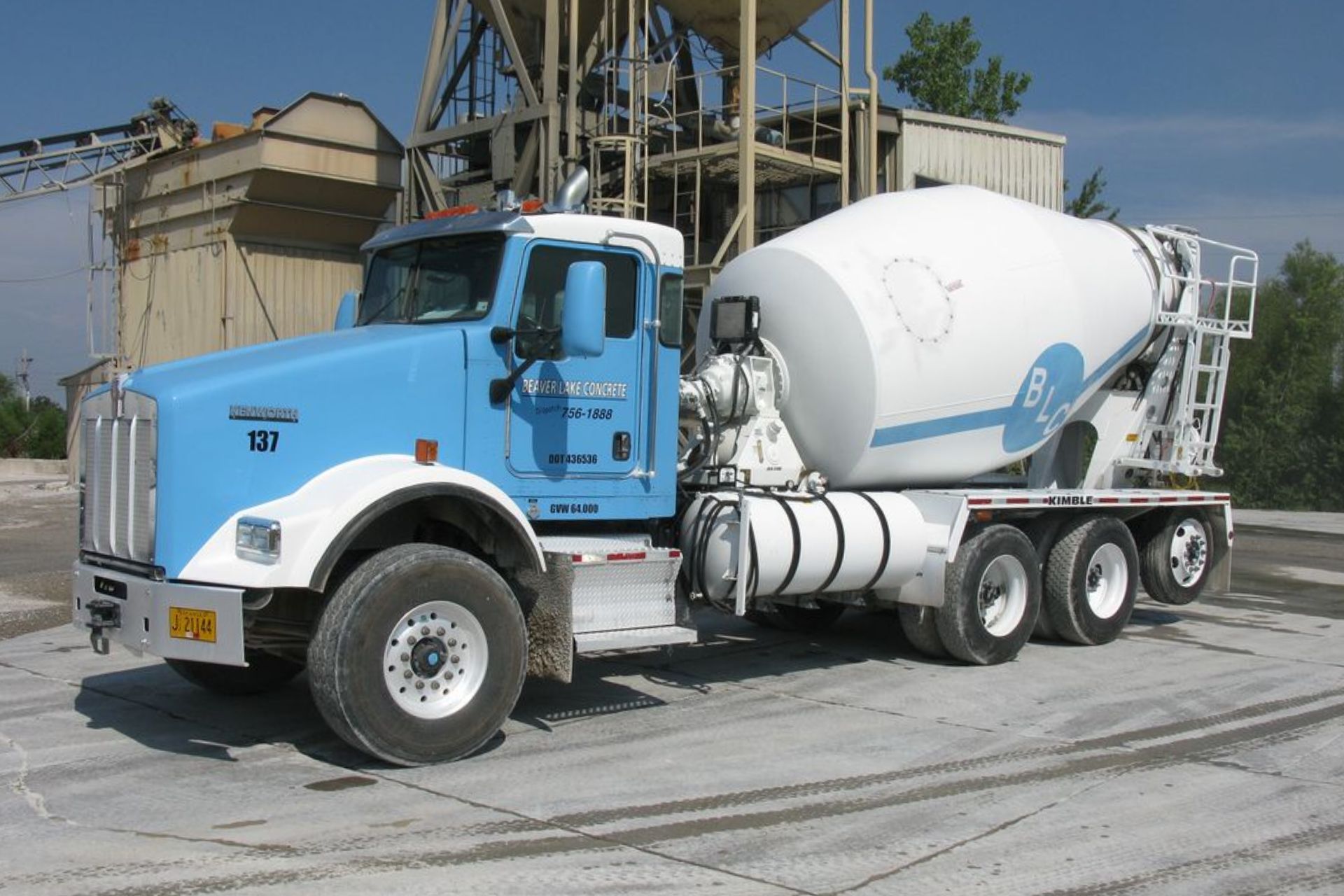
When you see a massive rotating cement mixer truck on the road, have you ever wondered what type of cement is used in a cement mixer truck? The answer isn’t as simple as one single type of cement. Depending on the construction project, climate conditions, and strength requirements, different types of cement are used to achieve optimal concrete performance. Understanding these cement types helps builders choose the right mix for durability, setting time, and resistance.
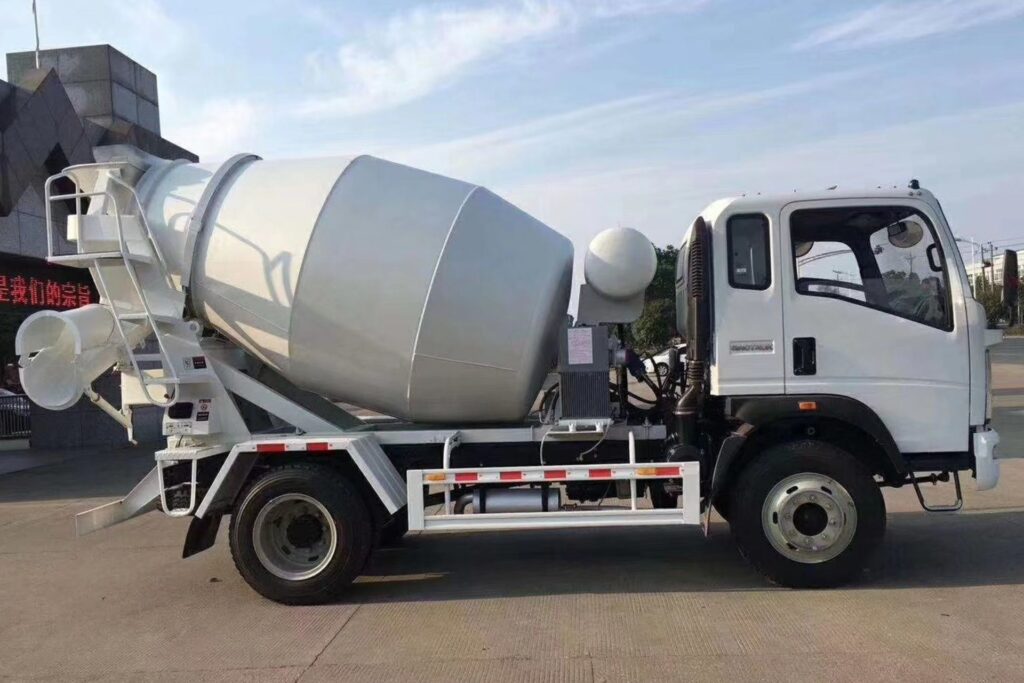
Understanding Cement in a Cement Mixer Truck
To answer what type of cement is used in a cement mixer truck, it’s important to first understand that cement is just one component of concrete. Inside the truck’s rotating drum, cement is mixed with water, sand, and aggregates (like gravel or crushed stone) to form concrete.
The type of cement used determines how quickly the concrete sets, how strong it becomes, and how it responds to environmental conditions such as moisture or temperature changes. Mixer trucks usually carry ready-mix concrete, which means the cement and other ingredients are combined at a batching plant before being transported to the job site.
Ordinary Portland Cement (OPC): The Most Common Type
The most widely used cement in mixer trucks is Ordinary Portland Cement (OPC). When people ask, what type of cement is used in a cement mixer truck, OPC is usually the first answer. This type of cement is popular because it offers a strong bond, good workability, and a reliable setting time for general construction projects.
There are three main grades of OPC:
- OPC 33: Used for small-scale construction and masonry.
- OPC 43: Ideal for residential and commercial buildings.
- OPC 53: Common in large infrastructure projects like bridges or highways due to its high early strength.
Because OPC provides consistency and strength, it remains the go-to choice for most ready-mix concrete applications in cement mixer trucks.
Portland Pozzolana Cement (PPC): Eco-Friendly and Durable
Another popular answer to what type of cement is used in a cement mixer truck is Portland Pozzolana Cement (PPC). PPC includes natural or artificial pozzolans such as fly ash or volcanic ash. These materials react with calcium hydroxide to form additional cementitious compounds, enhancing durability and resistance to chemicals.
PPC offers several benefits:
- Improved workability and long-term strength.
- Greater resistance to sulfate attack, making it ideal for wastewater treatment plants or coastal structures.
- Lower heat of hydration, which reduces cracking in large pours.
Because it’s eco-friendly and sustainable, PPC is increasingly used in modern ready-mix concrete transported by cement mixer trucks.
Portland Slag Cement (PSC): For Corrosive Environments
When discussing what type of cement is used in a cement mixer truck for projects exposed to harsh conditions, Portland Slag Cement (PSC) is often preferred. PSC is made by blending Portland cement clinker with granulated blast furnace slag, a byproduct of steel manufacturing.
PSC is ideal for environments prone to corrosion, such as marine structures, industrial plants, and foundations near groundwater. It resists chloride and sulfate attacks better than OPC, ensuring a longer service life for concrete structures.
Rapid Hardening Cement: When Time Matters
For projects that require quick turnaround, Rapid Hardening Cement (RHC) is the answer to what type of cement is used in a cement mixer truck. This type of cement achieves high strength in a short time, allowing early formwork removal and faster project completion.
RHC is commonly used in:
- Road repairs and bridge decks.
- Precast concrete production.
- Emergency construction projects where fast strength gain is essential.
Though it’s more expensive than OPC, RHC helps reduce project timelines and labor costs, making it valuable in time-sensitive work.
Sulfate Resisting Cement: For Aggressive Soil and Water
Sometimes, what type of cement is used in a cement mixer truck depends on soil and water conditions. Sulfate Resisting Cement (SRC) is used where concrete is exposed to high sulfate concentrations, such as in foundations, sewage systems, or coastal areas.
SRC minimizes chemical reactions between sulfate ions and concrete components, preventing cracking, expansion, and deterioration. For long-term durability in aggressive environments, SRC is a superior choice.
White Cement: For Aesthetic and Decorative Concrete
Not all concrete made in mixer trucks is used for structural purposes. In cases where appearance matters, white cement can be the answer to what type of cement is used in a cement mixer truck. White cement contains fewer iron and manganese compounds, giving it a bright color suitable for architectural finishes, facades, and decorative precast elements.
While it’s more expensive than gray cement, white cement adds aesthetic appeal without compromising on strength.
How Cement Type Affects Concrete Quality
The type of cement selected directly impacts concrete’s properties — such as setting time, compressive strength, and resistance to environmental factors. For instance:
- OPC provides fast strength gain but generates more heat.
- PPC offers long-term strength and lower permeability.
- PSC enhances chemical resistance and durability.
- RHC is ideal for rapid construction.
By choosing the right cement type, construction teams ensure that the concrete from a cement mixer truck performs optimally under specific site conditions.
Environmental Considerations in Cement Choice
As sustainability becomes more important, the choice of what type of cement is used in a cement mixer truck increasingly depends on environmental factors. Blended cements like PPC and PSC are preferred because they use industrial byproducts (fly ash, slag) and reduce carbon emissions compared to traditional OPC.
Many modern batching plants now focus on producing eco-friendly concrete mixes without sacrificing performance or durability.
Conclusion
So, what type of cement is used in a cement mixer truck? While Ordinary Portland Cement (OPC) remains the most common, other types such as PPC, PSC, Rapid Hardening Cement, and Sulfate Resisting Cement are chosen based on project needs and environmental conditions. Each type offers distinct advantages in strength, durability, and sustainability. By understanding these options, builders can make smarter choices that lead to longer-lasting, more efficient structures.